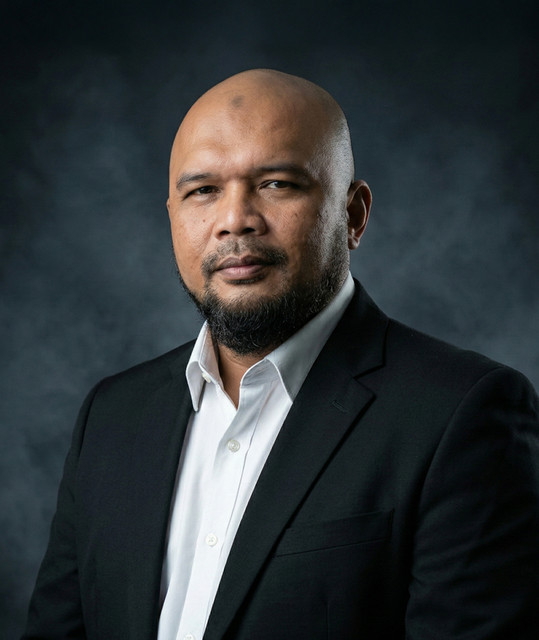
Prof. Ainuddin Wahid Abdul Wahab, Centre of Research for Cyber Security & Network (CSNET), Universiti Malaya.
Prof. Dr. Ainuddin Wahid Abdul Wahab of the Centre of Research for Cyber Security & Network (CSNET), Universiti Malaya, is featured in The Sun on 28 July 2026 in the article "Cyber Force Could Guard Malaysia's Digital Front Door: Experts", on the proposal to establish a dedicated cyber force as the fourth service branch of the Malaysian Armed Forces.
A House with Three Strong Walls
Prof. Ainuddin describes the move as timely and necessary, likening Malaysia's defence structure to a house with three strong walls, the army, navy, and air force, but no protection for its digital front door. "Cyberspace is now a battlefield too, so it deserves its own branch, not just a borrowed unit," he says. A dedicated force would bring specialised command, dedicated funding, and structured career pathways.
Complement, Not Compete
He stresses that the new force must complement rather than duplicate the work of the National Cyber Security Agency and CyberSecurity Malaysia: "Their roles must remain separate but connected. If they do not share information, it is like three guards locking different doors but never communicating with one another."
Vital Organs and Expanding Attack Surface
On the threat landscape, cyber espionage, ransomware on essential services, and attacks on critical infrastructure, he offers another analogy: "Our critical infrastructure is like the body's vital organs. If attackers hit the power grid or banking system, the whole country feels it, not just one sector." As Malaysia digitalises through e-government, smart ports, and digital banking, the attack surface will keep expanding, demanding a force focused on threat intelligence and rapid response rather than post-attack repair.
Cognitive Warfare Hacks Minds
On cognitive warfare, he warns: "Cognitive warfare does not hack computers; it hacks minds." Misinformation, deepfakes, and manipulated content can be weaponised to influence public opinion, so cyber defence must also defend the information space, through media literacy, fact-checking, and closer defence–communications cooperation.
People Over Technology
Finally, he underscores talent: "Technology is only as good as the people using it, like buying a top-of-the-line ambulance with no trained paramedics on board." Competitive remuneration, specialised training, and long-term career development will be essential against private-sector competition for cybersecurity specialists.
The full article, written by Harith Kamal and Kirtinee Ramesh and also featuring Assoc. Prof. Dr Sonny Zulhuda of the International Islamic University Malaysia, is available at The Sun.
The feature is part of CSNET's continued public engagement on national cyber defence and cybersecurity policy.