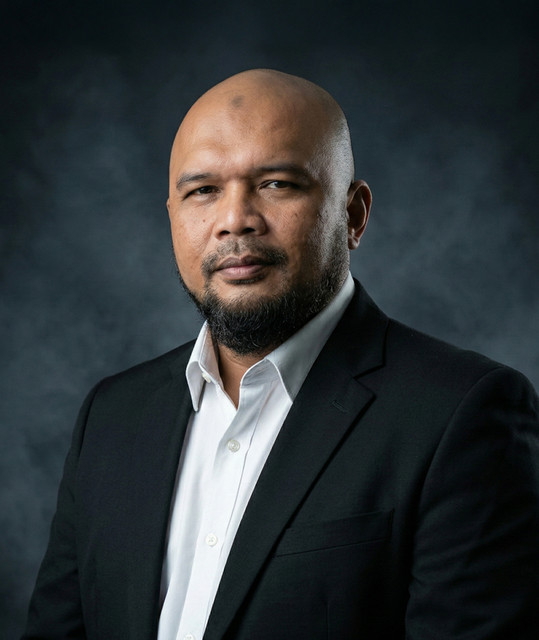
Prof. Ainuddin Wahid Abdul Wahab, Faculty of Computer Science and Information Technology, Universiti Malaya.
Prof. Dr. Ainuddin Wahid Abdul Wahab of the Faculty of Computer Science and Information Technology, Universiti Malaya, is featured in Sinar Daily on 3 December 2025 in the article "Zero Tolerance Needed: How Extremist Messages Spread and Endanger Public Safety", explaining the mechanics of online radicalisation and the case for strict early intervention.
A Rhetorical Trojan Horse
Prof. Ainuddin describes how extremist messages employ "cultivated ambiguity": coded words, memes, and inside jokes that act as a rhetorical Trojan Horse. Such content appears harmless to the general public while signalling hate and specific calls to action to a target audience.
Young people and socially isolated individuals are particularly vulnerable, he notes, with economic anxiety and emotional isolation creating openings that recruiters actively exploit.
Why Zero Tolerance
Drawing on the broken windows theory, Prof. Ainuddin advocates a strict zero-tolerance approach to online hate: allowing even "mild" hate speech signals that abuse is acceptable, leading to rapid escalation. "Detecting patterns like dehumanisation or victimhood narratives early allows us to break the chain," he explains.
Report, Don't Share
His advice to the public: report harmful content rather than sharing it, using platform reporting tools and lodging complaints with the Malaysian Communications and Multimedia Commission (MCMC) or Cyber999.
The full article, written by Sharifah Shahirah and also featuring Prof. Selvakumar Manickam of Universiti Sains Malaysia, is available at Sinar Daily.
The feature is part of CSNET's continued public engagement on online safety and the societal impact of digital threats facing Malaysians.